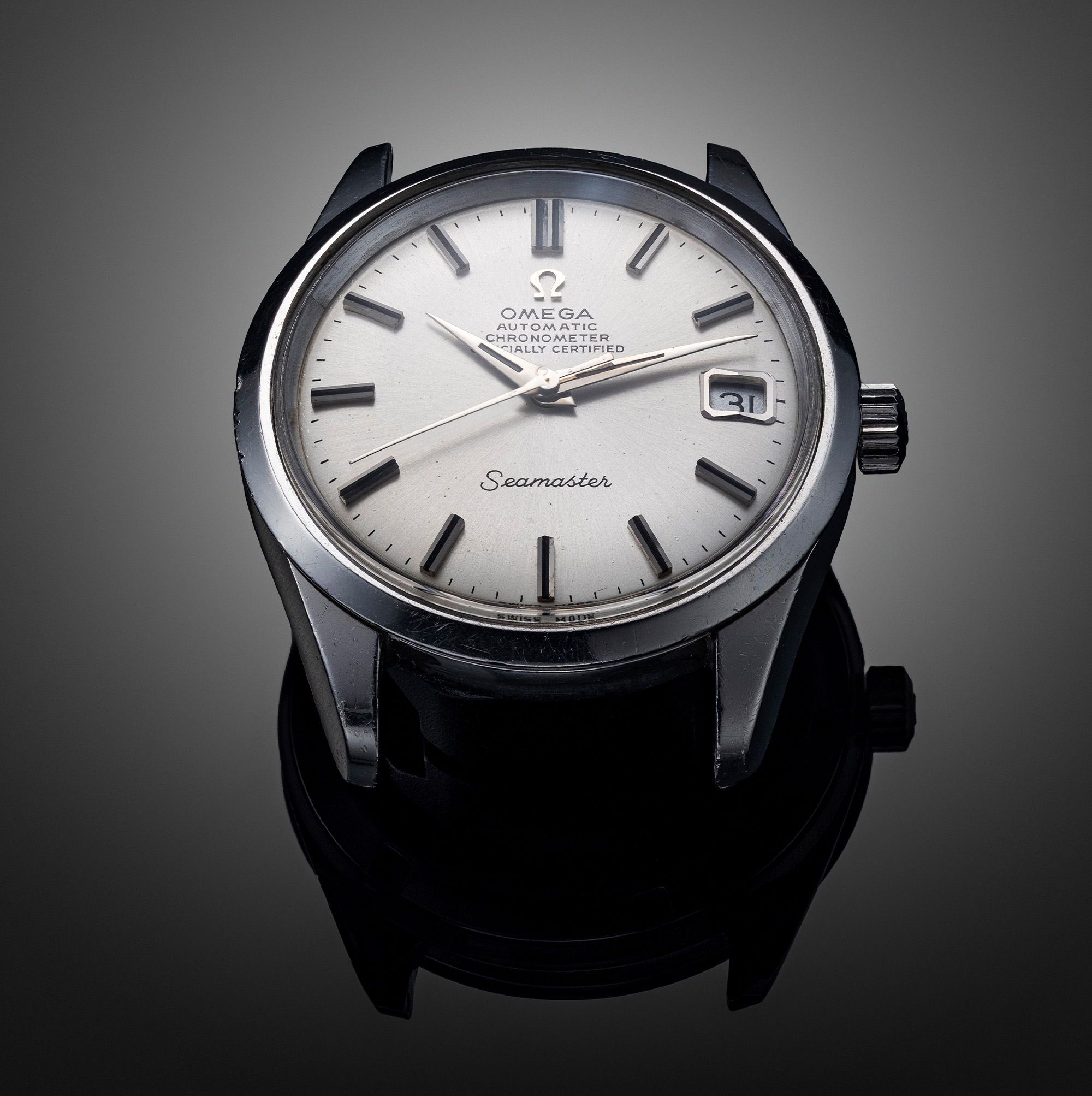
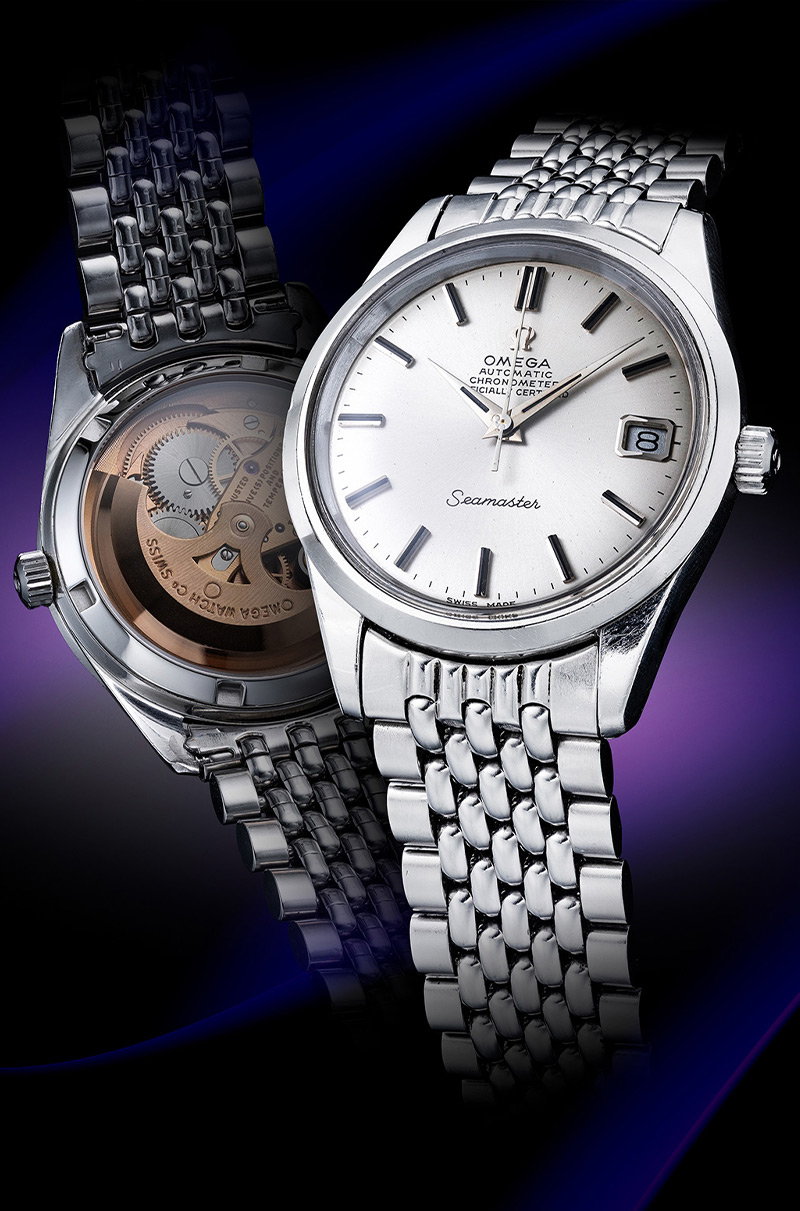
Iconic Design

Quick facts
Brand: Omega
Model: Seamaster
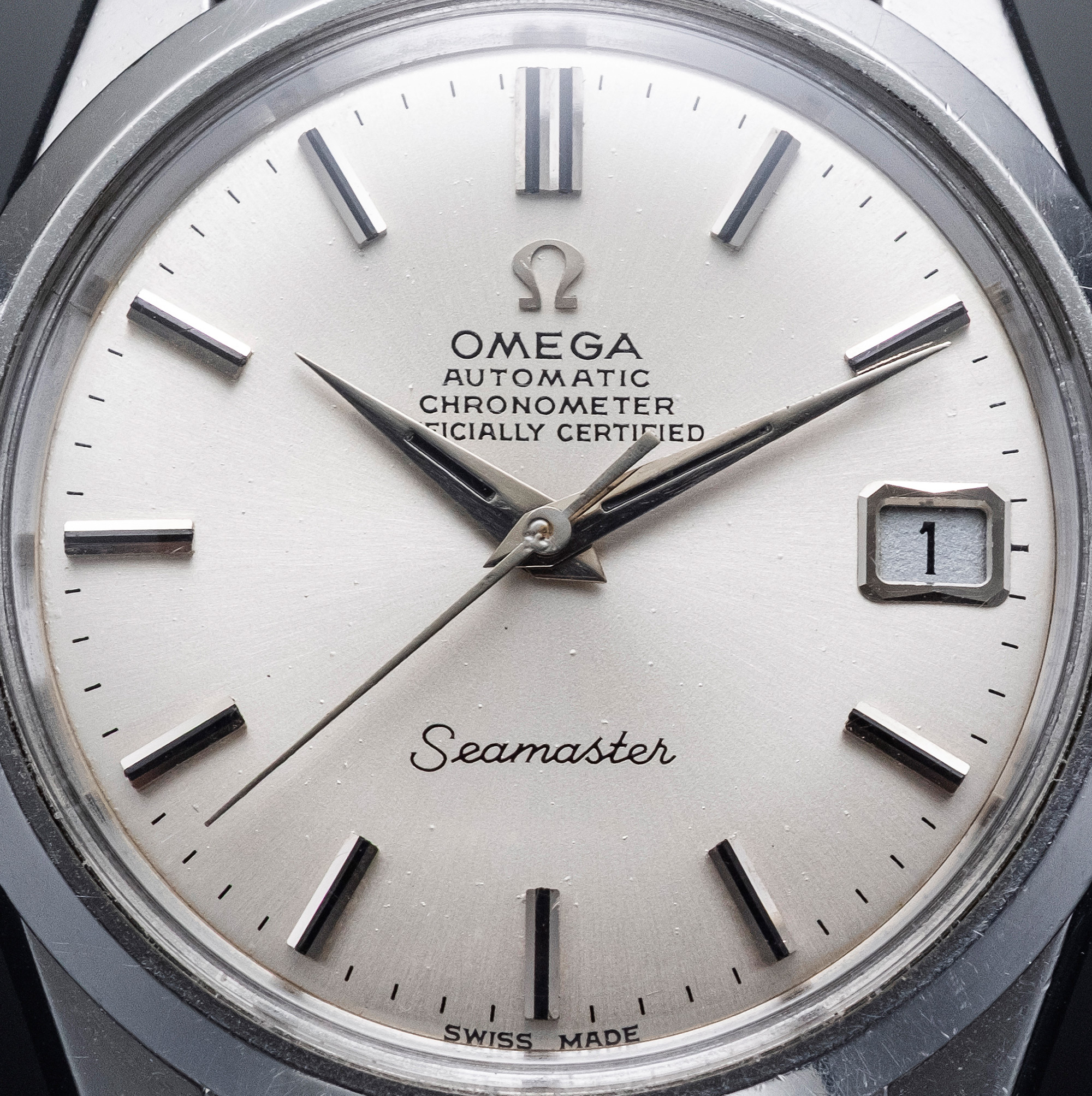
Reference: 168.024 (same case as 166.010)
Year: 1969
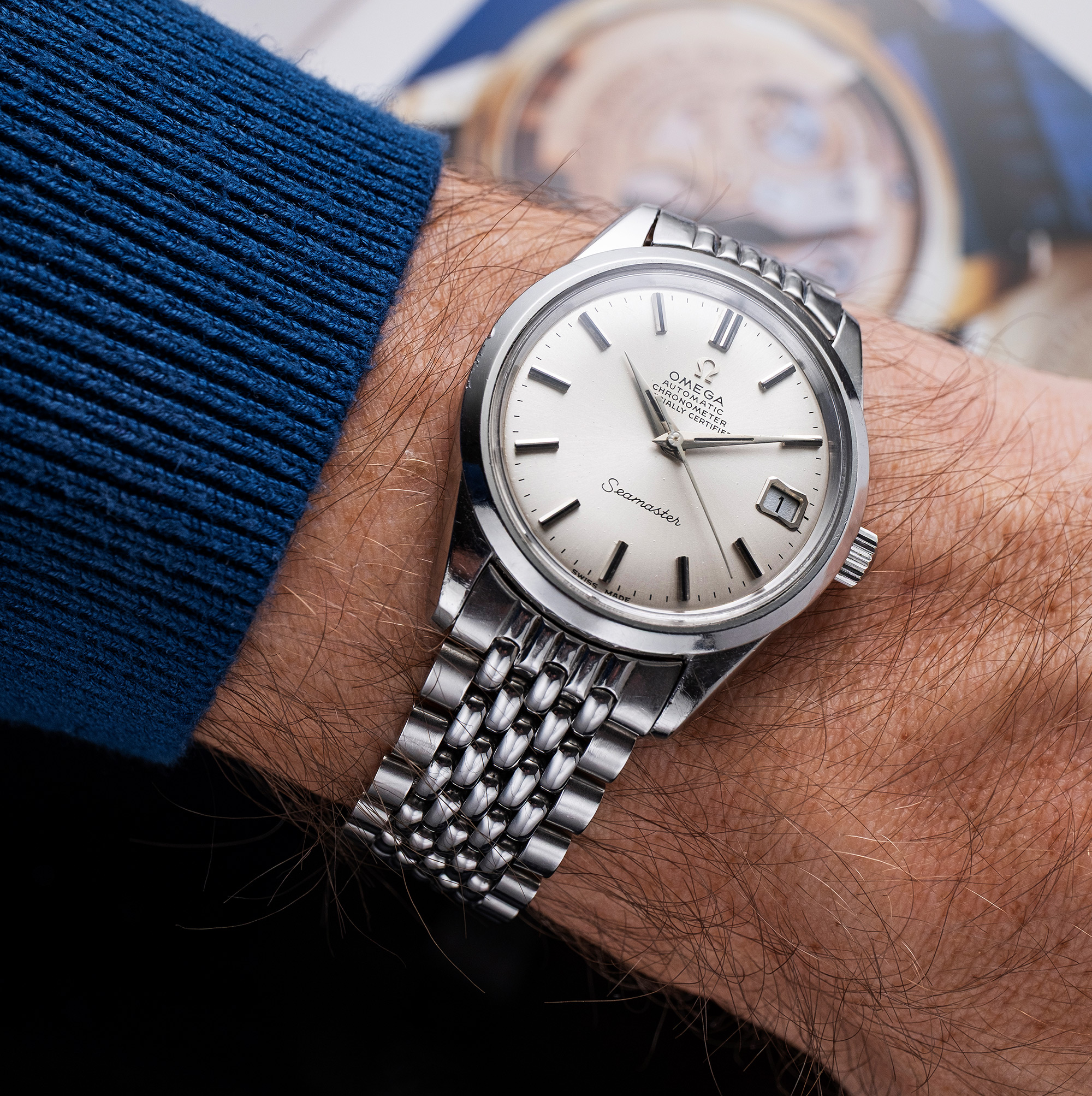
Case: Stainless steel, 35mm, 11.5mm
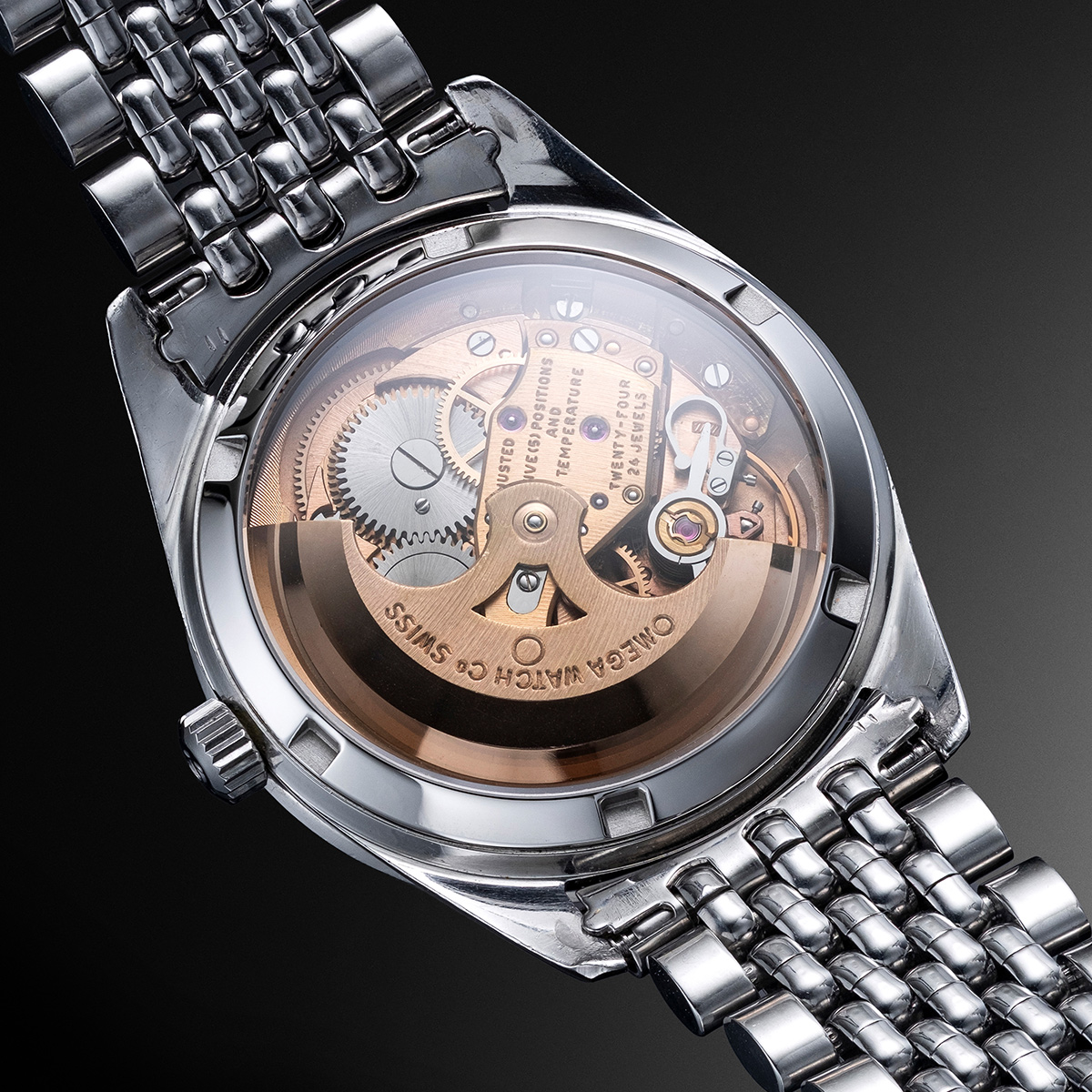
Caliber: Omega 564, automatic, chronometer
What about it
Seamaster playbook: clean applied markers, simple hands, and a date window that keeps the watch practical without cluttering the design.
Although the Omega Seamaster 168.024 belongs firmly to the late 1960s, its visual DNA reaches back more than a decade earlier. The architecture of its case can be traced to the Seamaster CK 14710, a reference that played a key role in defining Omega's post-war sports watch aesthetic. That earlier model is widely associated with Gerald Genta, whose influence on mid-century Omega design is often understated compared to his later fame, but no less important.
The CK 14710 introduced a case philosophy that balanced elegance with purpose: rounded yet confident lugs, clean transitions between surfaces, and proportions that favored wearability over ornament. This was not a flamboyant or experimental design - it was a template meant to endure. Over the following years, Omega refined this formula rather than reinventing it, gradually adapting it to evolving tastes and technical requirements.
By the time the Seamaster line reached references like the 166.010 and its chronometer counterpart, the 168.024, that original concept had been subtly modernized. The cases became slightly more robust, reflecting higher expectations for water resistance and everyday durability, but the underlying geometry remained familiar. In this sense, the 168.024 is best understood not as a new design, but as a late-stage evolution of a Genta-era Seamaster case, carrying forward the same restrained confidence that defined the CK 14710.
Seen through this historical lens, the Seamaster 168.024 becomes more than just the chronometer version of the 166.010. It stands as a late expression of a design route that began in the early 1950s, shaped by Genta's early work and refined by Omega over nearly two decades. The result is a watch that feels cohesive and timeless: technically upgraded for its era, yet visually anchored in one of the most influential Seamaster case designs ever produced.
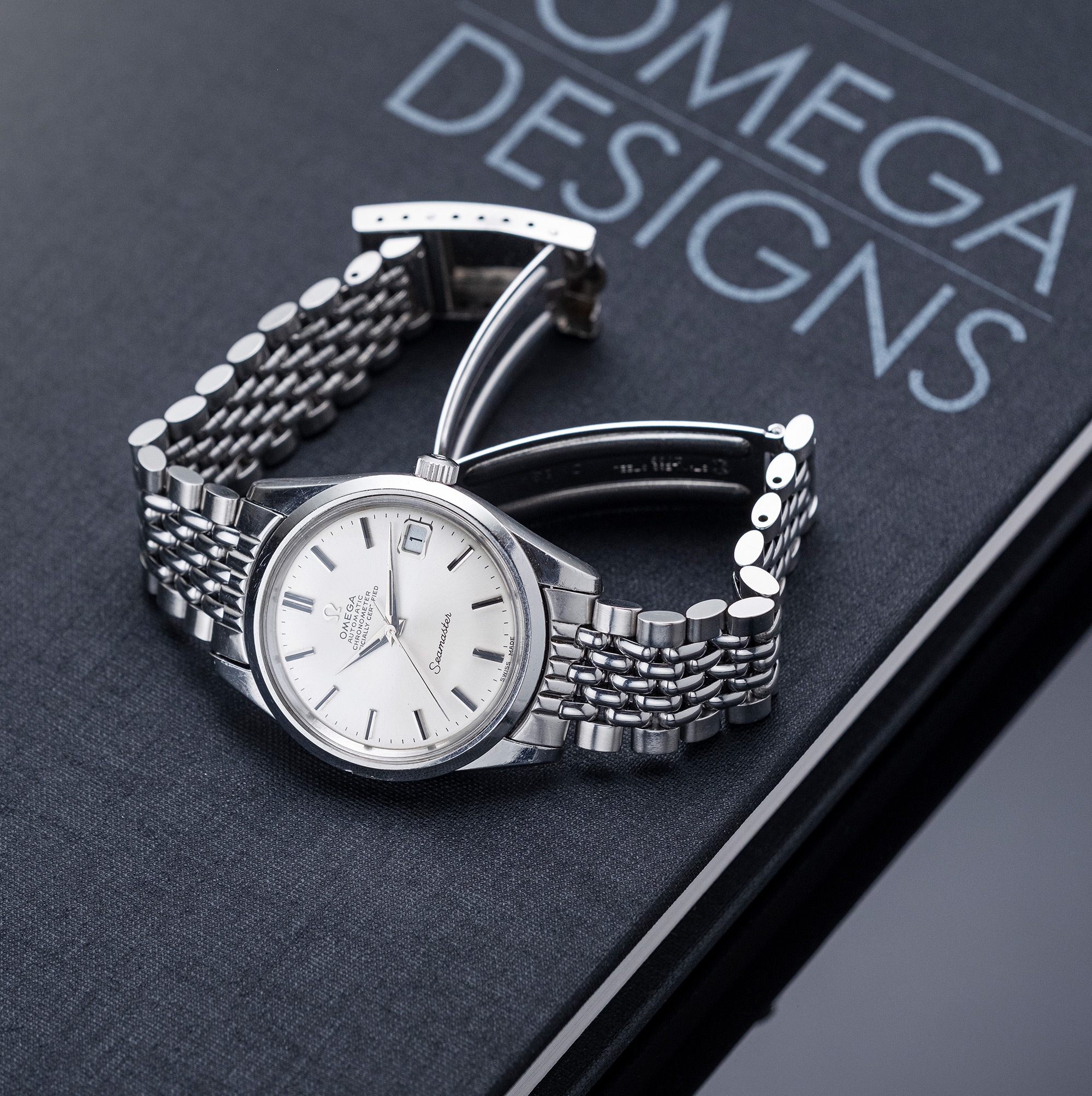
Original BoR bracelet nr: 1036/11

35
Diametermm

18
Lug widthmm

19800
Frequencyvph

50
Power h

plastic
Crystal
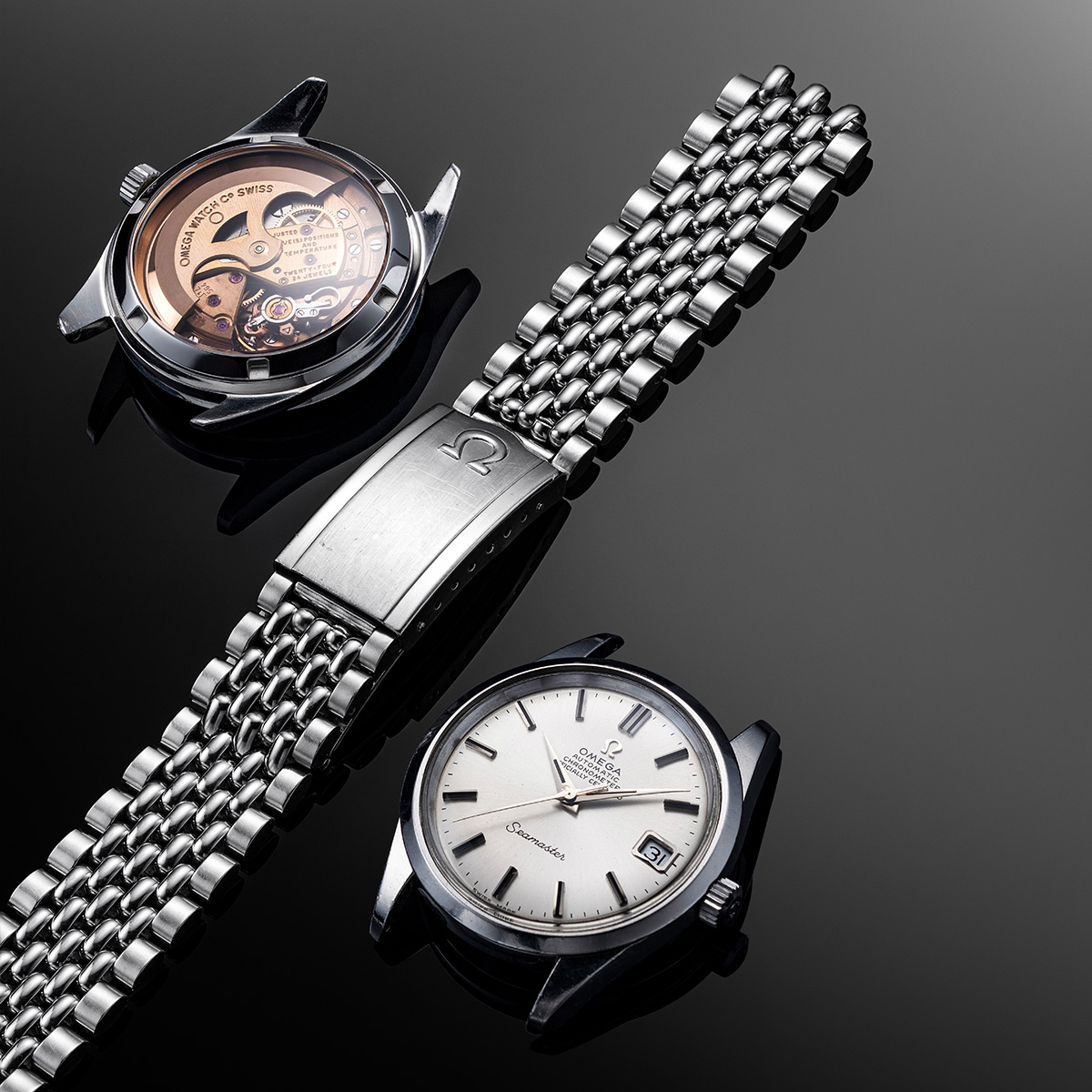
The beads-of-rice bracelet
Many Seamaster 168.024 watches were delivered on Omega's beads-of-rice bracelet no. 1036, another element often attributed to Gerald Genta's early design language. Like the case, the bracelet reflects a careful balance of comfort and visual refinement: fluid articulation on the wrist, a dressy appearance at a glance, and enough structural integrity to suit a daily-wear sports watch.
When paired with the 168.024 case, the beads-of-rice bracelet reinforces the idea that this Seamaster was never meant to be flashy. Instead, it represents Omega's long-standing approach of quiet design continuity - taking proven forms and improving them incrementally, rather than chasing short-lived trends.

Omega cal. 564: the chronometer
At the technical core of the Omega Seamaster 168.024 is caliber 564, a movement that represents the high point of Omega's classic in-house automatic chronometer development during the 1960s. Introduced in 1966, the cal. 564 belongs to the renowned 55x/56x family-movements that helped cement Omega's reputation for accuracy, reliability, and industrial refinement in the pre-quartz era.
In the context of the Seamaster 168.024, caliber 564 reinforces the watch's identity as a quietly upgraded classic